March 20, 2026
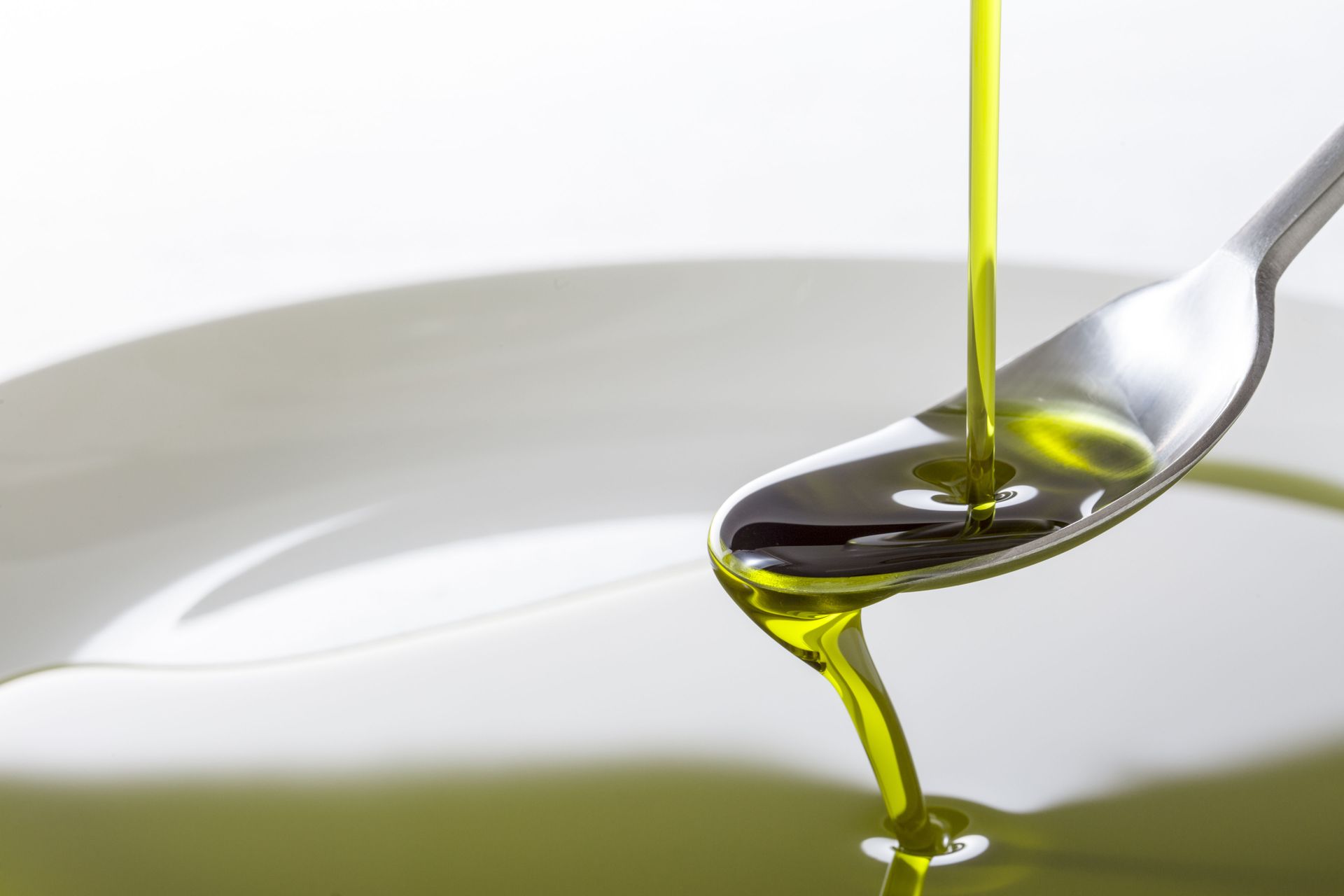
Used cooking oil might seem like a simple kitchen byproduct, but it’s far more complex than fresh oil. When cooking, heat, oxygen, and food residues alter the chemical composition of the oil, introducing impurities like free fatty acids, water, and tiny particles. These changes affect its quality, making disposal and recycling more complicated than many realize. Understanding how used cooking oil differs from fresh oil is the first step toward managing it responsibly, whether at home, in restaurants, or in larger commercial kitchens.
Improper disposal of used oil can cause serious environmental damage. Pouring it down drains can clog pipes, harm water treatment systems, and contaminate soils and waterways. Even small amounts can create surface films that disrupt aquatic ecosystems, affecting fish and plant life. Educating communities about these impacts and encouraging proper collection methods is essential for reducing pollution and promoting sustainability. Recycling cooking oil not only helps the environment but also creates economic opportunities, turning waste into valuable resources like biodiesel and animal feed.
Used Cooking Oil
Cooking oil is a mixture of various substances that differ significantly from its fresh form. Fresh cooking oils are primarily composed of triglycerides, but the process of cooking alters their chemical structure. Heat, exposure to oxygen, and food particles introduce free fatty acids, water, and other contaminants. These impurities affect oil quality and pose challenges for recycling. Understanding these changes is vital for effective recycling strategies.
Improper disposal of cooking oil can have detrimental effects on the environment. Dumping oil in drains clogs pipes and damages water treatment facilities. When released into natural ecosystems, it creates films on water surfaces, disrupting aquatic life. Soil contamination leads to unhealthy plant growth and alters soil composition. Educating the public about these impacts is essential to encourage responsible disposal and recycling.
Recycling used cooking oil offers both ecological and economic advantages. It reduces pollution by preventing oil from entering waterways and soils. Economically, it creates new markets for recycled products and stimulates job growth. According to IBISWorld, there were 213 margarine and cooking oil processing businesses in the US as of 2024. These opportunities translate into significant savings and sustainability benefits for societies worldwide.
The most prevalent sources of cooking oil include restaurants and commercial food establishments. These businesses generate large quantities of waste oil daily due to high-volume cooking. Households also contribute significantly to used oil production, especially during holiday seasons. Industrial kitchens, like those in hotels and institutions, add to the pool of collectible oil. Identifying these sources helps streamline collection and recycling efforts.
Globally, the production of cooking oil is vast and continually growing. Population growth and increased food production are primary drivers of this trend. Statistics indicate rising amounts of generated waste from both residential and commercial sectors. Properly managed collection systems can tap into this resource, creating opportunities for sustainable recycling practices. These figures underscore the importance of developing efficient collection networks worldwide.
Collection Methods for Used Cooking Oil
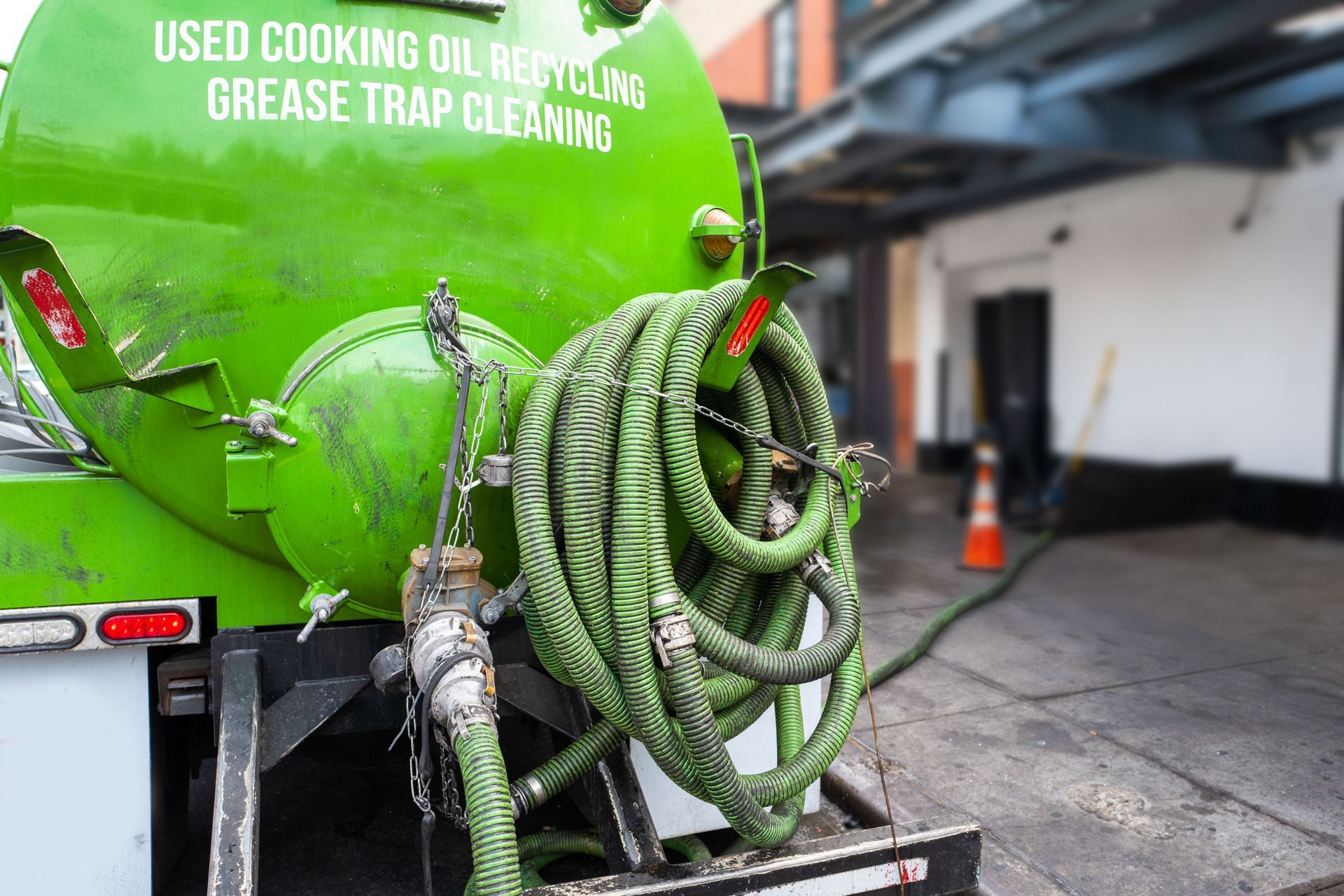
Many collection services offer tailored programs for restaurants and commercial kitchens. These services provide collection containers and arrange regular pick-ups to ensure consistent oil removal. By partnering with businesses, collectors can establish reliable sources of used oil. This collaboration fosters consistent recycling practices within the commercial sector. It also helps businesses comply with environmental regulations and reduce waste management costs.
Efforts to collect cooking oil at the household level aim to increase recycling rates. Community programs often provide drop-off points or curbside collection for households. Education campaigns inform residents about proper disposal and collection benefits. By engaging with local communities, these initiatives create awareness around recycling's role in sustainability. Such efforts are vital in tapping into the household waste oil generation potential.
The collection of cooking oil is guided by various laws and regulations. These policies ensure that oil is collected and recycled in environmentally safe manners. Regulations specify how oil should be stored, transported, and treated to prevent environmental harm. Compliance with these laws is mandatory for businesses and collectors alike. Understanding the legal framework is essential for setting up and maintaining effective collection systems.
Various obstacles can hinder the collection of used cooking oil. The logistics of collecting oil from scattered households and small businesses pose significant challenges. Contamination of oil with water and food particles also complicates collection and recycling processes. Additional barriers include a lack of awareness and inadequate infrastructure for oil collection. Overcoming these challenges requires targeted strategies and community cooperation.
Innovative technologies and methods are being used in cooking oil collection efforts. Advanced collection systems use real-time tracking to optimize collection routes. Automated systems for oil extraction from kitchen waste streamline the collection process. Public-private partnerships also drive innovation by combining resources and expertise. These integrations can significantly improve the efficiency and effectiveness of oil collection.
Filtration and Cleaning Processes
Pre-filtration is the first step in cleaning used cooking oil, targeting large particles and contaminants. This process typically involves straining oil through mesh filters to remove food residues. Removing these solids prevents clogging in subsequent filtering stages and improves oil quality. Effective pre-filtration is essential for ensuring the oil is suitable for further processing. It serves as a cost-effective way to prepare oil for more advanced cleaning.
Centrifugal cleaning is a widely used method for purifying cooking oil. This technique employs centrifugal force to separate impurities based on density differences. The process efficiently removes water and fine particles suspended in the oil. By enhancing oil purity, centrifugal cleaning prepares the product for final filtration. Its effectiveness makes it a cornerstone technology in oil recycling operations.
Advanced filtration technologies are employed to achieve the highest purity levels in recycled oil. These include the use of activated carbon filters and membrane filtration systems. Such technologies remove microscopic impurities, enhancing the oil's quality for repurposing. The implementation of these systems requires significant investment but results in superior recycled products. Advances in these technologies continue to improve oil recycling outcomes.
Strict quality control measures are crucial in the oil recycling process to ensure high standards. These practices involve regular testing and monitoring of oil quality throughout the recycling stages. Standardized protocols measure impurities and verify compliance with industry standards. Ensuring quality not only enhances buyer confidence but also meets regulatory requirements. Consistent quality control thus supports the integrity of the recycling process.
The filtration process generates waste products that require careful disposal to avoid environmental harm. Solid particles and other residues are often repurposed or safely disposed of in landfills. Responsible waste management is essential to maintain the sustainability of oil recycling. Innovations in waste reduction and recycling also minimize environmental impacts. Properly managing these by-products reinforces the environmentally friendly nature of oil recycling.
Recycling used cooking oil offers a tangible way to protect the environment while contributing to sustainable practices. From restaurants and industrial kitchens to households, properly collected and processed oil can be transformed into renewable products that reduce pollution and support local economies. Technologies like filtration, centrifugal cleaning, and advanced membrane systems ensure high-quality recycled oil while strict quality control maintains consistency and safety.
If you generate used cooking oil at home or in a commercial kitchen, taking steps to recycle it responsibly makes a meaningful difference. Partnering with local collection services or community programs ensures your oil is handled safely and repurposed effectively. Don’t let this valuable resource go to waste—explore recycling options with Oregon Oils, Inc to protect the environment, support sustainable practices, and turn a simple kitchen byproduct into a powerful resource for the future.