May 19, 2026
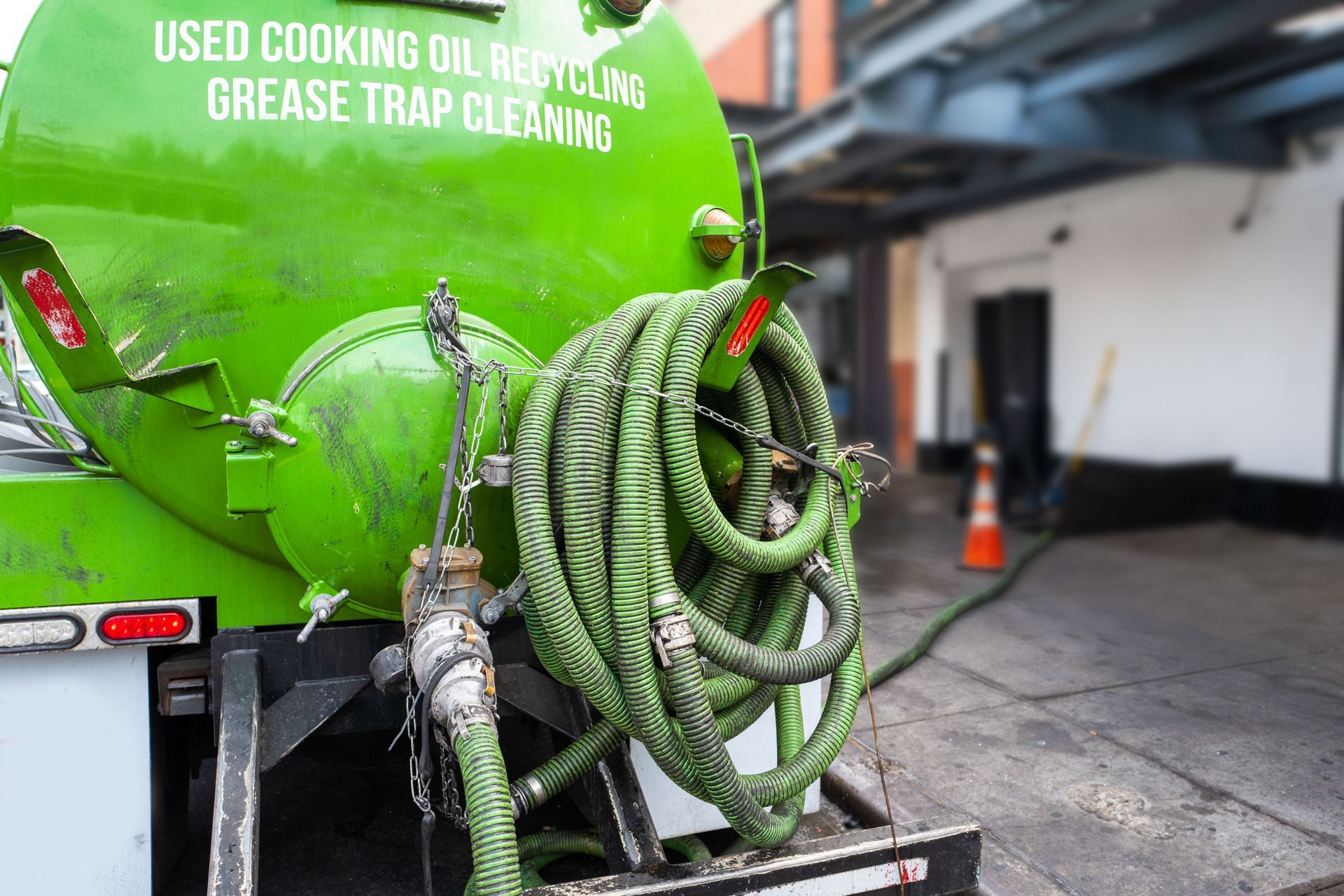
Used cooking oil is an unavoidable byproduct for restaurants, cafeterias, and food processing facilities, but how it's handled can have far-reaching implications. Many businesses underestimate the impact of improper disposal, from environmental harm to costly operational issues. Partnering with a professional provider of used cooking oil services introduces a structured, reliable way to manage waste oil while unlocking meaningful benefits. As sustainability expectations increase and regulations tighten, recycling used cooking oil is no longer just an option; it is a strategic business decision.
The scale of the industry underscores its importance. According to IBISWorld, the U.S. margarine and cooking oil processing sector is worth about $88.7 billion in 2026, reflecting the widespread use and ongoing demand for cooking oils across commercial operations. With such high volumes in circulation, responsible disposal and recycling practices play a critical role in maintaining both environmental balance and operational efficiency.
1. Reducing Environmental Impact Through Oil Recycling
Reduction of Environmental Pollution
One of the most immediate advantages of recycling used cooking oil is the reduction of environmental contamination. When oil is improperly discarded, whether poured down drains, dumped outdoors, or mixed with general waste, it can seep into soil and waterways. This leads to long-term ecological damage, including harm to aquatic life and disruption of natural ecosystems.
Used cooking oil services provide a controlled collection and processing system that prevents these outcomes. By ensuring oil is properly contained, transported, and refined, businesses actively reduce their environmental footprint. This is particularly important in regions where water systems are vulnerable to contamination from fats, oils, and grease. Even small amounts of improperly disposed of oil can create surface films on water that restrict oxygen flow, negatively impacting marine organisms.
Recycling also minimizes landfill contributions. Oil that would otherwise end up as waste is instead redirected into productive use, reducing strain on waste management infrastructure. This aligns with broader environmental goals focused on waste reduction and resource conservation.
Contribution to Renewable Energy Production
A key environmental advantage of recycling used cooking oil lies in its conversion into biodiesel. Once collected and processed, the oil becomes a renewable fuel source that can replace or supplement traditional diesel. This reduces reliance on fossil fuels and lowers greenhouse gas emissions associated with transportation and industrial operations.
Biodiesel derived from recycled oil burns cleaner than petroleum-based fuels, producing fewer pollutants such as carbon monoxide and particulate matter. Businesses that participate in recycling programs indirectly contribute to cleaner air and reduced carbon output. Over time, this collective effort supports broader sustainability initiatives and climate-related targets.
Reliable used cooking oil services facilitate this process by managing the logistics of collection and ensuring the oil is directed to appropriate processing facilities. Without this structured approach, the opportunity to transform waste into energy would be largely inaccessible to individual businesses.
2. Turning Waste Oil Into Cost Savings
Avoidance of Costly Plumbing and Maintenance Issues
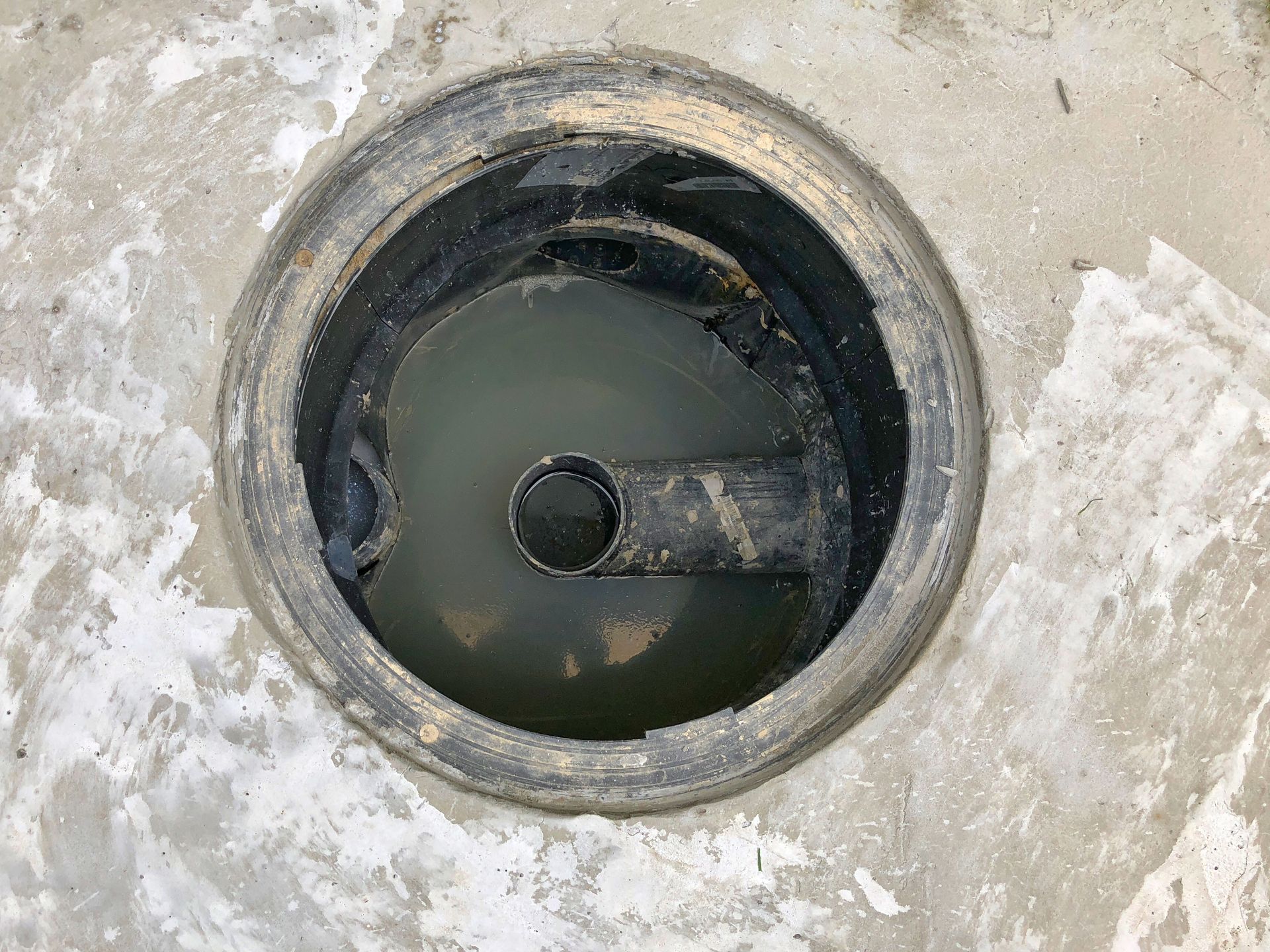
From a financial perspective, one of the most tangible benefits of recycling used cooking oil is the prevention of plumbing problems. When oil is improperly disposed of, it accumulates in pipes, leading to clogs, backups, and eventual system failures. These issues often require emergency repairs, which can be both expensive and disruptive to daily operations.
Used cooking oil processing services eliminate this risk by providing a designated collection system. Regular pickups ensure that oil is removed before it can become a problem, maintaining the integrity of plumbing systems. Over time, this proactive approach results in significant cost savings by reducing the need for repairs and minimizing downtime.
For businesses operating in high-volume environments, such as commercial kitchens, these savings can be substantial. Preventative maintenance through proper oil management is far more cost-effective than reactive repairs.
Potential Revenue and Rebates
In addition to cost avoidance, recycling used cooking oil can create opportunities for financial return. Some service providers offer rebate programs based on the volume and quality of oil collected. This transforms what would otherwise be a waste product into a potential revenue stream.
While the exact financial benefit varies depending on market conditions and service agreements, the principle remains consistent: properly managed oil has value. Businesses that partner with used cooking oil services can capitalize on this by ensuring their oil is collected and processed efficiently.
This added income, even if modest, contributes to overall operational profitability. It also reinforces the idea that sustainability initiatives can align with financial goals rather than compete with them.
Improved Operational Efficiency
Efficient waste management has a direct impact on day-to-day operations. Without a structured system in place, staff may spend unnecessary time handling oil disposal, dealing with spills, or addressing related issues. This diverts attention from core business activities and reduces overall productivity.
Used cooking oil services streamline the process by implementing scheduled collections and providing appropriate storage solutions. This reduces the burden on staff and ensures that oil management becomes a seamless part of operations. With fewer disruptions and a cleaner workspace, businesses can operate more efficiently.
Additionally, predictable service schedules allow for better planning and resource allocation. Managers can focus on optimizing other aspects of the business, knowing that oil disposal is being handled reliably.
3. Supporting Compliance and Safer Operations
Adherence to Local and Federal Regulations
Regulatory compliance is a critical concern for any business handling cooking oil. Improper disposal can result in fines, penalties, and even legal action. Regulations often require specific methods for storing, transporting, and disposing of fats, oils, and grease to protect public health and the environment.
Used cooking oil services are designed to meet these requirements. By partnering with a professional provider, businesses ensure that their oil is handled in accordance with applicable laws. This reduces the risk of non-compliance and provides peace of mind that all processes are being managed correctly.
Service providers typically stay up to date with regulatory changes, allowing businesses to remain compliant without needing to monitor every detail themselves. This is especially valuable in industries where regulations can rapidly evolve.
Enhancement of Workplace Safety
Handling used cooking oil presents several safety risks, including spills, burns, and slip hazards. Improper storage or disposal can create dangerous conditions for employees, increasing the likelihood of accidents and injuries.
Reliable used cooking oil services address these risks by implementing safe handling practices and providing appropriate containers for storage. Regular collection reduces the volume of oil on-site, minimizing exposure to potential hazards. This contributes to a safer working environment and helps businesses meet occupational safety standards.
A cleaner and more organized workspace also improves overall morale and efficiency. Employees can perform their tasks with greater confidence, knowing that safety risks are being actively managed.
Recycling used cooking oil delivers a comprehensive set of benefits that extend across environmental, financial, and regulatory domains. From reducing pollution and supporting renewable energy to lowering operational costs and ensuring compliance, the advantages are both immediate and long-term. Businesses that adopt professional used cooking oil services gain a structured, reliable solution that simplifies waste management while contributing to broader sustainability goals.
As the industry continues to grow and expectations evolve, responsible oil management will remain a key factor in operational success. Investing in proper recycling practices is not just about addressing a waste product; it is about optimizing efficiency, protecting resources, and positioning a business for sustainable growth. Reach out to Oregon Oils, Inc today for more information on our expert cooking oil recycling services!