July 16, 2026
Old cooking oil recycling provides commercial kitchens with a responsible way to manage fryer oil waste while supporting sustainability efforts. Restaurants and food service businesses generate cooking oil regularly, making proper collection and recycling an important part of waste management. Through organized collection programs, cooking oil can be redirected from disposal and recycled into useful products such as biodiesel.
Comprehensive Understanding of Old Cooking Oil Recycling
Collect Old Cooking Oil From Commercial Kitchens
Cooking oil is commonly generated by restaurants, commercial kitchens, and food service establishments that prepare fried foods. Managing this waste stream properly helps businesses keep used fryer oil contained and ready for collection. Commercial kitchens can use collection services to create a more organized approach to handling this type of waste.
Commercial kitchens benefit from consistent collection programs that provide a structured way to handle cooking oil. Scheduled pickups help businesses manage their oil waste while supporting recycling efforts that give cooking oil a productive second use. Cooking oil recycling services provide a way for businesses to simplify oil management while supporting responsible waste practices.
Proper collection is an important part of the recycling process. By working with a cooking oil recycling provider, businesses can simplify the management of fryer oil and contribute to a more sustainable approach to handling fats, oils, and grease. Organized collection programs help ensure used oil is directed toward recycling instead of improper disposal.
Handle Cooking Oil Properly
Cooking oil requires proper handling and storage before it can be recycled. Keeping collected oil contained helps maintain its quality and supports an efficient recycling process. Commercial kitchens can benefit from having a consistent solution for managing fryer oil waste.
Commercial kitchens use different types of cooking oils depending on their menu and operations. Regardless of the type of oil used, organized collection services help businesses manage used fryer oil consistently. These services allow kitchens to maintain a reliable process for removing collected oil.
Recycling programs provide businesses with a way to move beyond traditional disposal methods. Instead of treating cooking oil as waste, collected oil can be redirected for recycling and reuse. This approach helps businesses support more sustainable waste management practices.
Reduce Issues From Improper Disposal
Improper disposal of cooking oil can create challenges for commercial kitchens. Pouring oil into drains can contribute to grease buildup and plumbing issues, making responsible waste management an important consideration for businesses. Proper collection provides an alternative method for handling fryer oil waste.
Recycling cooking oil provides an alternative to improper disposal practices. By having used oil collected and recycled, businesses can better manage their waste while supporting sustainable practices. Cooking oil recycling helps redirect collected oil toward productive reuse.
A structured approach to cooking oil management helps restaurants and food service establishments handle fats, oils, and grease more effectively. Collection and recycling programs provide a practical solution for businesses that regularly generate fryer oil waste. These services support more organized commercial kitchen operations.
Valuable Benefits of Recycling Old Cooking Oil
Support Sustainable Waste Management
Recycling cooking oil allows commercial kitchens to participate in a more sustainable waste management process. Rather than discarding used fryer oil, businesses can have it collected and recycled into useful products. This helps create a more responsible approach to managing kitchen waste.
Used cooking oil recycling supports resource reuse by giving collected oil a purpose beyond its original use. This approach helps businesses manage their waste streams while contributing to recycling efforts. Commercial kitchens can use collection programs to support ongoing sustainability goals.
Commercial kitchens that prioritize responsible oil disposal can benefit from having a consistent collection solution in place. Recycling services help simplify the process of managing cooking oil. These programs provide businesses with an organized way to handle fryer oil waste.
Manage Cooking Oil Waste Efficiently
Restaurants and food service businesses generate cooking oil as part of daily operations. A dedicated collection program provides a reliable way to remove used fryer oil and keep waste management organized. This helps businesses maintain a consistent process for handling collected oil.
Working with a recycling provider helps businesses establish a consistent approach to cooking oil handling. Regular collection services allow commercial kitchens to focus on their operations while old oil is properly managed. This service supports efficient waste handling practices.
Used cooking oil recycling transforms a common kitchen waste product into a reusable resource. This process supports businesses looking for more sustainable ways to handle fats, oils, and grease. Proper collection allows used oil to be directed toward recycling opportunities.
Support Food Service Operations
Restaurants, commercial kitchens, and other food service businesses can benefit from old cooking oil collection services. Having a structured solution for fryer oil removal helps businesses maintain organized waste management practices. Collection services support daily kitchen operations by providing a consistent way to manage oil waste.
Cooking oil recycling services provide an effective way for food service establishments to manage used oil. Collection programs help simplify the process while allowing collected oil to be recycled. These solutions support businesses that regularly generate fryer oil waste.
By incorporating old cooking oil recycling into their operations, businesses can take an active role in managing waste responsibly and supporting sustainable practices. Collection programs provide a practical option for handling used fryer oil. These services help businesses create a more organized waste management process.
Efficient Process of Recycling Used Cooking Oil
Convert Used Oil Into Biodiesel
One of the primary uses for recycled cooking oil is conversion into biodiesel. Through recycling processes, used fryer oil can be transformed into a renewable fuel source rather than being treated as waste. According to the EPA, fats, oils, and grease account for approximately 47% of all sanitary sewer blockages.
Biodiesel production gives collected cooking oil a productive second use. Recycling cooking oil helps redirect waste from disposal while supporting the creation of renewable products. Businesses that participate in collection programs contribute to this recycling process.
Businesses that participate in cooking oil collection programs contribute to a recycling process that helps transform fryer oil into valuable resources. These programs provide a structured way to collect oil from commercial kitchens. Collected oil can then move through recycling processes for reuse.
Support Grease Management Programs
Used cooking oil recycling is one part of effective fats, oils, and grease management. Commercial kitchens can benefit from services designed to help collect oil and manage grease-related waste. These solutions support businesses that need organized grease management practices.
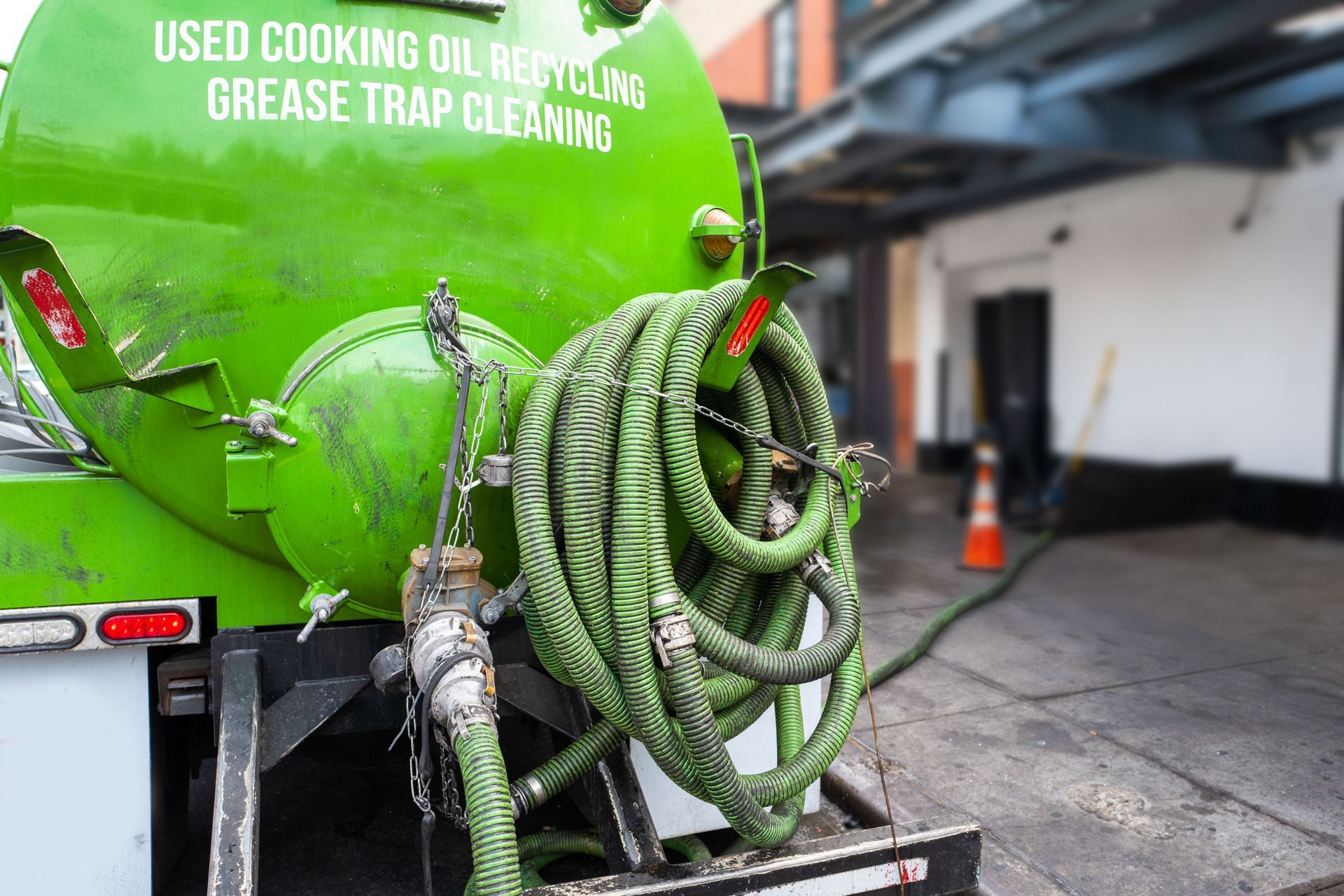
Grease management services can include grease trap cleaning, grease interceptor cleaning, and ongoing maintenance support for commercial kitchen systems. These services help businesses address accumulated grease from kitchen operations. Professional support provides a structured approach to managing grease-related waste.
Maintain Commercial Kitchen Systems
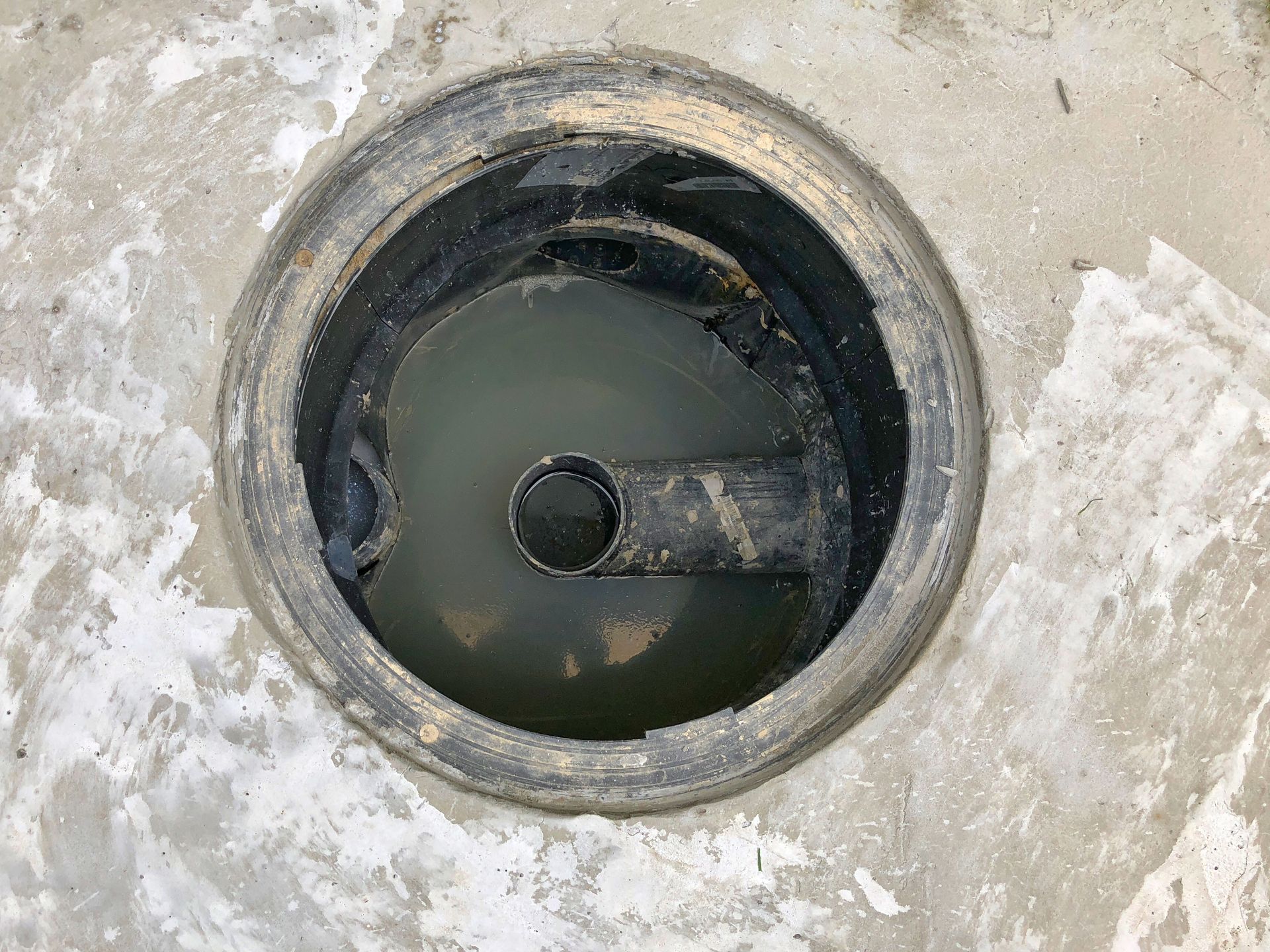
Grease traps and interceptors collect fats, oils, and grease from commercial kitchen operations. Regular cleaning and maintenance help businesses manage accumulated grease and maintain their systems. These services support cleaner and more organized kitchen waste practices.
Professional grease management services provide commercial kitchens with solutions for handling grease buildup and related waste. These services complement cooking oil programs by addressing multiple aspects of kitchen waste management. Commercial kitchens can use these solutions to better manage grease-related materials.
Learn more about how Oregon Oils, Inc. helps commercial kitchens manage cooking oil and fats, oils, and grease through collection and recycling services designed to support ongoing operations. Our solutions provide businesses with structured options for handling these waste streams. We help commercial kitchens manage oil collection and grease services through dependable recycling programs.