September 17, 2026
Restaurants, commercial kitchens, food manufacturers, and other food-service operations generate substantial quantities of used cooking oil. Once oil can no longer be used effectively, responsible handling becomes an important part of maintaining a clean, efficient, and environmentally responsible operation. Used cooking oil can create problems when it is poured into drains, placed into inappropriate waste containers, or allowed to accumulate without a planned collection process. Establishing a professional disposal and recycling program gives businesses a structured way to manage this recurring waste stream.
Proper management also helps businesses think beyond simply getting rid of an unwanted material. Collected oil may have value as a recyclable commodity when it is handled separately and kept free from contaminants. A consistent collection process can reduce unnecessary waste while helping kitchen staff maintain cleaner work areas. Professional collection services can make that process more predictable from one pickup to the next.
Following Applicable Regulations
Businesses need to understand that disposal requirements can vary depending on their location, industry, and the type of waste being managed. Federal, state, and local authorities may establish requirements concerning storage, transportation, wastewater discharges, and waste handling. The EPA notes that fats, oils, and grease should not be discharged into sanitary sewer systems because they can clog pipes, pumps, and wastewater treatment equipment. Following applicable requirements helps businesses avoid preventable environmental and operational problems.
Regulatory compliance is also easier when businesses maintain a clear process for separating and storing oil. Containers should be appropriate for the material and positioned where spills can be controlled. Documentation and collection records may also be important depending on the operation and local requirements. Because regulations differ by jurisdiction, businesses should work with qualified collection professionals and appropriate local authorities when determining their specific obligations.
Preventing Drain and Sewer Problems
Pouring used cooking oil down a sink may appear convenient, but fats, oils, and grease can accumulate inside plumbing and contribute to blockages. As grease moves through pipes, it can combine with other materials and restrict the flow of wastewater. Over time, these problems can affect private plumbing as well as municipal sewer infrastructure. Professional collection keeps large quantities of oil out of drains in the first place.
A dedicated collection system also creates a more consistent routine for kitchen employees. Instead of treating oil as ordinary liquid waste, staff can place it into designated collection containers according to established procedures. This reduces the likelihood of accidental disposal through sinks or floor drains. Consistent handling can protect plumbing while making waste management easier to monitor.
Reducing Environmental Impact
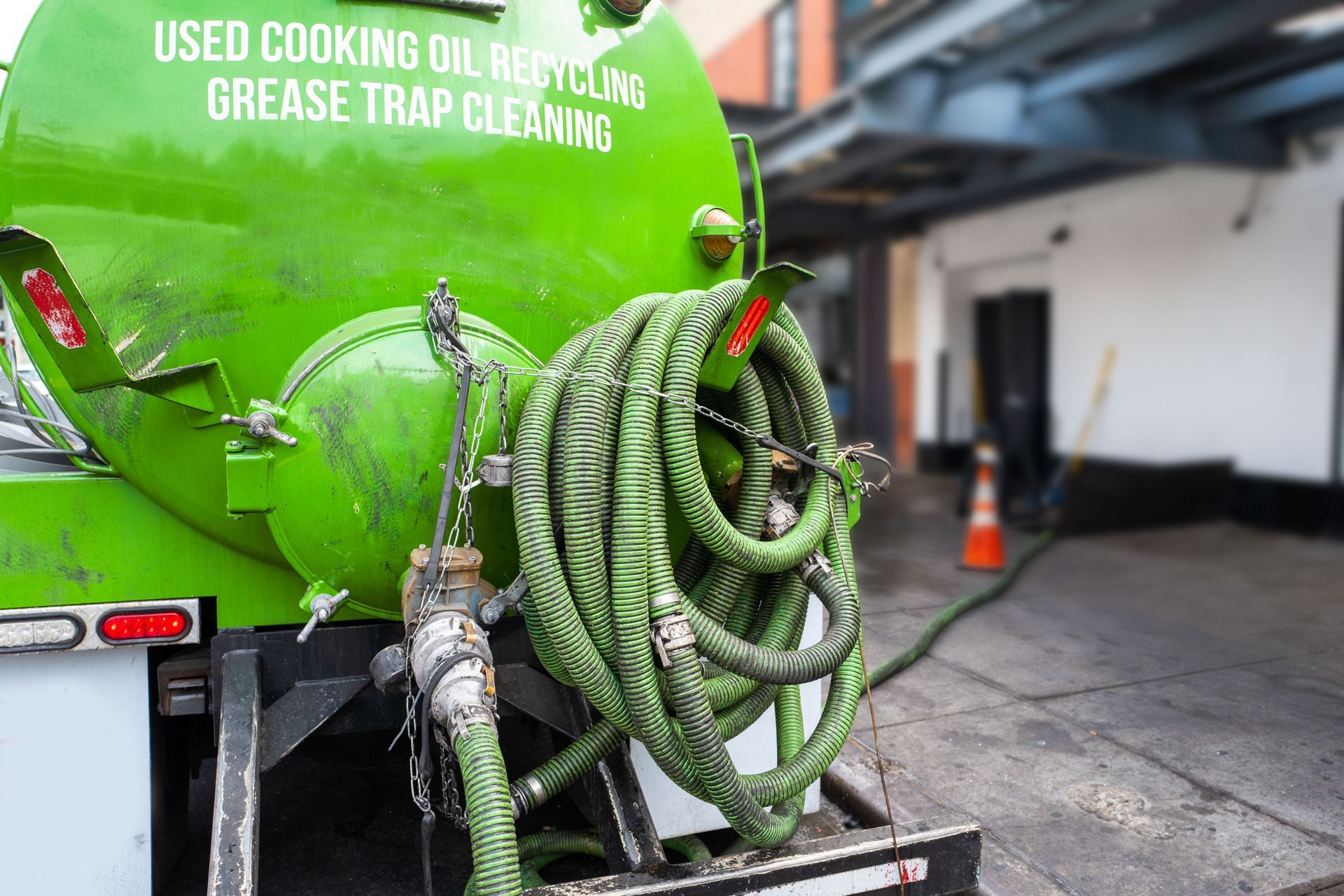
Improper oil disposal can affect more than a business's plumbing. Oil released into the environment can contaminate soil and water and create cleanup concerns. Recycling provides an alternative by directing collected oil toward processing rather than allowing it to become an unmanaged waste stream. A professional service can collect material in a controlled manner and transport it for appropriate recycling or processing.
Environmental benefits can extend beyond keeping oil out of waterways. Recovered used cooking oil can serve as a useful feedstock for products and processes that would otherwise rely on other raw materials. According to LinkedIn.com, the U.S. used cooking oil recycling market reached $1.6 billion in 2024 and is projected to grow to $2.9 billion by 2032. This market growth reflects increasing interest in recovering value from cooking oil rather than treating it solely as waste.
Improving Kitchen Cleanliness
Oil handling can affect the cleanliness and organization of a commercial kitchen. Containers that are poorly positioned, overfilled, or difficult to manage can create spills and unpleasant working conditions. A professional collection program can provide an organized process for accumulating oil and arranging timely removal. This supports a cleaner environment around cooking and storage areas.
Cleanliness also depends on reducing unnecessary handling. When staff members have clear procedures and appropriate collection containers, fewer people need to move or transfer oil without a defined process. Professional pickup can further reduce the amount of time containers remain on-site. These measures can make the waste-management portion of kitchen operations more orderly.
Supporting Efficient Collection
A professional collection schedule can help businesses coordinate oil removal with their production volume. High-volume kitchens may fill containers much faster than smaller operations, making flexible service important. A collection provider can help establish a schedule based on the amount of oil generated and the available storage capacity. This reduces the likelihood of overflowing containers or emergency disposal concerns.
Collection efficiency can also improve workplace organization. Designated containers give employees a clear destination for oil after cooking operations are complete. Regular pickups keep storage areas from becoming unnecessarily crowded. A consistent system can therefore connect waste management with the broader flow of kitchen operations.
Preserving Recyclable Material
The condition of collected oil can influence its usefulness as a recyclable material. Mixing used cooking oil with trash, cleaning chemicals, wastewater, or unrelated substances can complicate processing. Businesses can protect the quality of their collected material by keeping it separated from other waste streams. Professional collection services can then transport the oil to facilities equipped to handle and process it.
Keeping oil separate also makes the collection process easier to manage. Employees know where the material belongs, and collection providers can work with a more consistent waste stream. This can support downstream processing and reduce unnecessary contamination. Careful separation is therefore an important part of responsible commercial oil management.
Reducing Operational Disruptions
Waste management problems can interfere with normal kitchen operations when containers become full, spills occur, or disposal arrangements are inconsistent. A professional program provides a planned method for moving oil out of the facility. Used cooking oil can be collected on a recurring schedule that reflects the business's actual production needs. This helps reduce interruptions caused by unmanaged waste.
A reliable process can also make responsibilities clearer for employees. Staff can focus on food preparation and other operational duties while following an established collection routine. Managers can coordinate service around business schedules and storage capacity. This creates a more predictable approach to an unavoidable part of food-service operations.
Evaluating Long-Term Benefits
Responsible oil disposal can provide benefits that extend beyond immediate waste removal. Businesses can support cleaner facilities, protect plumbing, reduce environmental risks, and participate in recycling markets. A professional collection relationship can also create consistency as a kitchen's oil volume changes over time. These combined benefits make responsible oil management an important operational consideration.
The financial side of waste management can also become easier to evaluate when collection is organized. Businesses can track pickup frequency, storage needs, and the amount of oil generated over time. This information can help managers understand their waste stream and identify opportunities for more efficient operations. Professional collection provides a practical framework for maintaining that information.
Choosing Professional Oil Collection
The right disposal strategy depends on the type and volume of oil a business generates, its location, and the applicable requirements. Professional collection helps businesses move away from improvised disposal and toward a consistent system built around safe storage, scheduled pickup, and appropriate recycling or processing.
Used cooking oil does not have to be treated as an unavoidable burden when businesses have a structured way to manage it. Responsible collection can turn a recurring waste product into a more manageable resource.
Oregon Oils, Inc provides professional cooking oil collection and recycling services designed to help businesses manage this important waste stream. We work with commercial operations to create dependable collection arrangements that support cleaner facilities and responsible oil recovery. Our team can help businesses establish a practical approach based on their oil volume, storage needs, and collection schedule. Contact Oregon Oils, Inc to discuss your cooking oil management needs and learn how professional collection can simplify your operation.