November 18, 2026
The journey of used cooking oil from commercial kitchens to fuel distribution networks represents one of the most successful applications of the circular economy in modern industry. Foodservice establishments produce substantial quantities of spent frying fats daily, creating a persistent logistical and regulatory challenge that requires structured waste management. Transforming this persistent byproduct into clean alternative fuel mitigates environmental degradation while expanding domestic energy supplies. Specializing in this critical conversion pipeline, commercial cooking oil services bridge the gap between food preparation facilities and renewable energy refineries, turning high volumes of kitchen waste into a dynamic resource for low carbon transport.
Modern energy markets increasingly prioritize renewable sources that deliver verifiable reductions in greenhouse gas emissions without disrupting critical food supply systems. Biodiesel produced from recycled lipids meets this requirement by repurposing waste grease that would otherwise strain municipal sewage systems or degrade soil quality. As international mandates demand aggressive decarbonization across the logistics and freight transportation sectors, used fats and greases have evolved into high value feedstocks. Exploring the integrated infrastructure that connects restaurants, industrial collectors, and chemical processing facilities highlights the vital role that commercial recovery networks play within the broader transition toward environmental sustainability.
Navigating the Historical Evolution and Environmental Value of Modern Biodiesel
Biodiesel functions as a sustainable fuel produced through the transesterification of organic lipids, converting animal fats and plant oils into long chain fatty acid methyl esters. Rudolph Diesel first operated his revolutionary internal combustion engine on peanut oil in the late nineteenth century, demonstrating the mechanical feasibility of plant derived fuels. Widespread commercial adoption remained limited for decades due to the cheap availability and vast distribution networks of petroleum diesel. The late twentieth century ushered in renewed interest as environmental concerns, volatile crude markets, and legislative mandates encouraged fuel diversification. Modern technological refinements have significantly elevated fuel performance, yielding a cleaner alternative that optimizes engine lubricity and extends vehicle operational lifespans without sacrificing horsepower.
Unlike fossil diesel, which introduces ancient sequestered carbon into the atmosphere, biodiesel burns with dramatically reduced particulate matter, unburned hydrocarbons, and carbon monoxide. Its high biodegradability and low toxicity ensure that accidental spills pose significantly fewer ecological risks to soil and regional waterways. By relying on established cooking oil services to supply industrial processors, the alternative energy sector diverts organic refuse from overflowing landfills into valuable fuel reserves. This closed loop recycling cycle reduces reliance on imported crude oil while reinforcing national energy security and driving decarbonization initiatives across commercial fleets worldwide.
Managing Commercial Kitchen Discard and Municipal Regulatory Frameworks
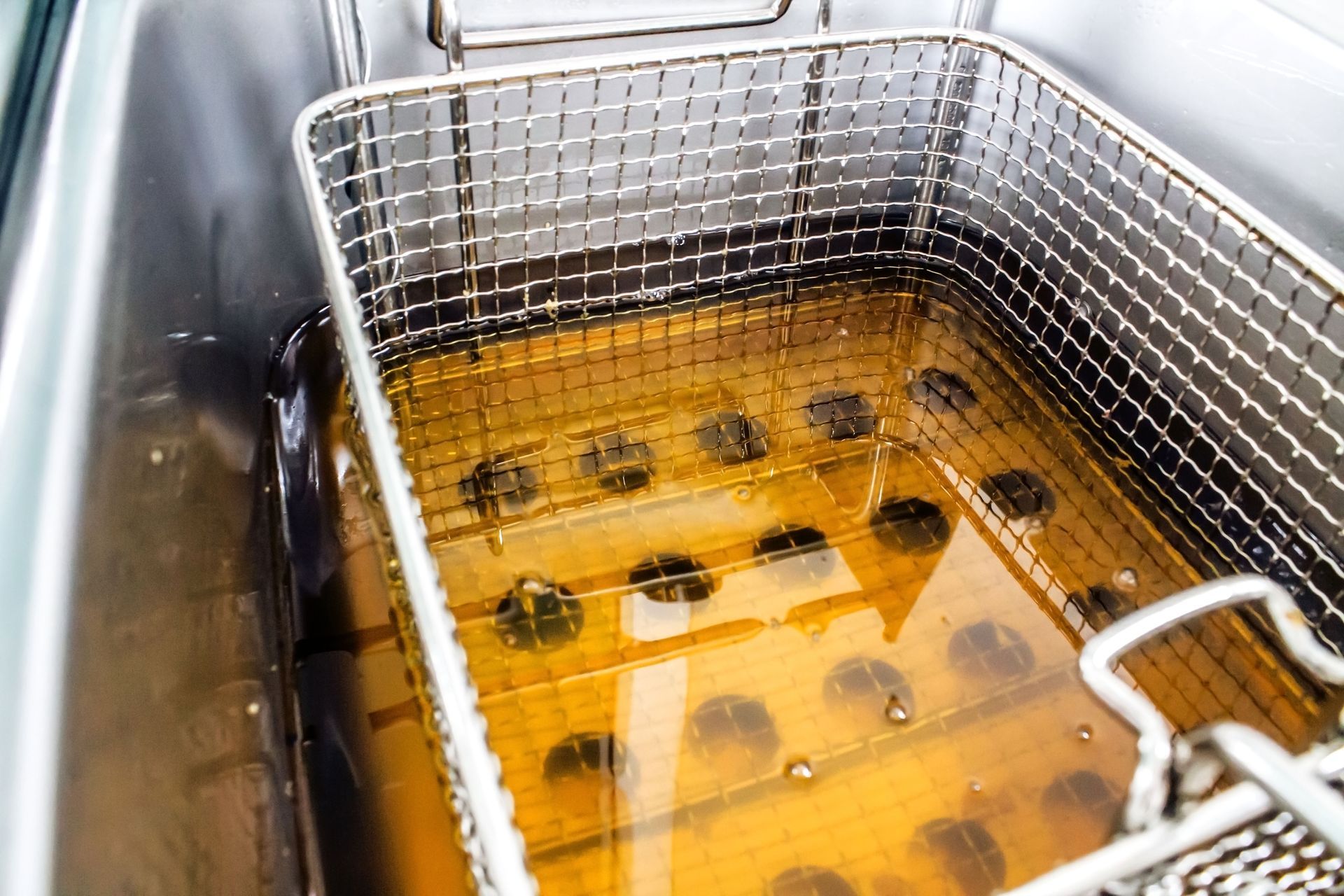
Commercial food establishments, ranging from independent restaurants to large scale hotel operations, consume substantial volumes of frying shortening to prepare food. Continuous high heat cooking degrades these oils through oxidation and hydrolysis, altering flavor profiles and necessitating frequent replacement to preserve culinary quality. Discarding hot grease presents distinct operational hazards that demand specialized storage systems and strict protocols for kitchen personnel. Municipal governments enforce rigorous containment guidelines, as unregulated disposal introduces heavy grease blockages that damage public plumbing systems and burden municipal wastewater treatment facilities with costly remediation efforts.
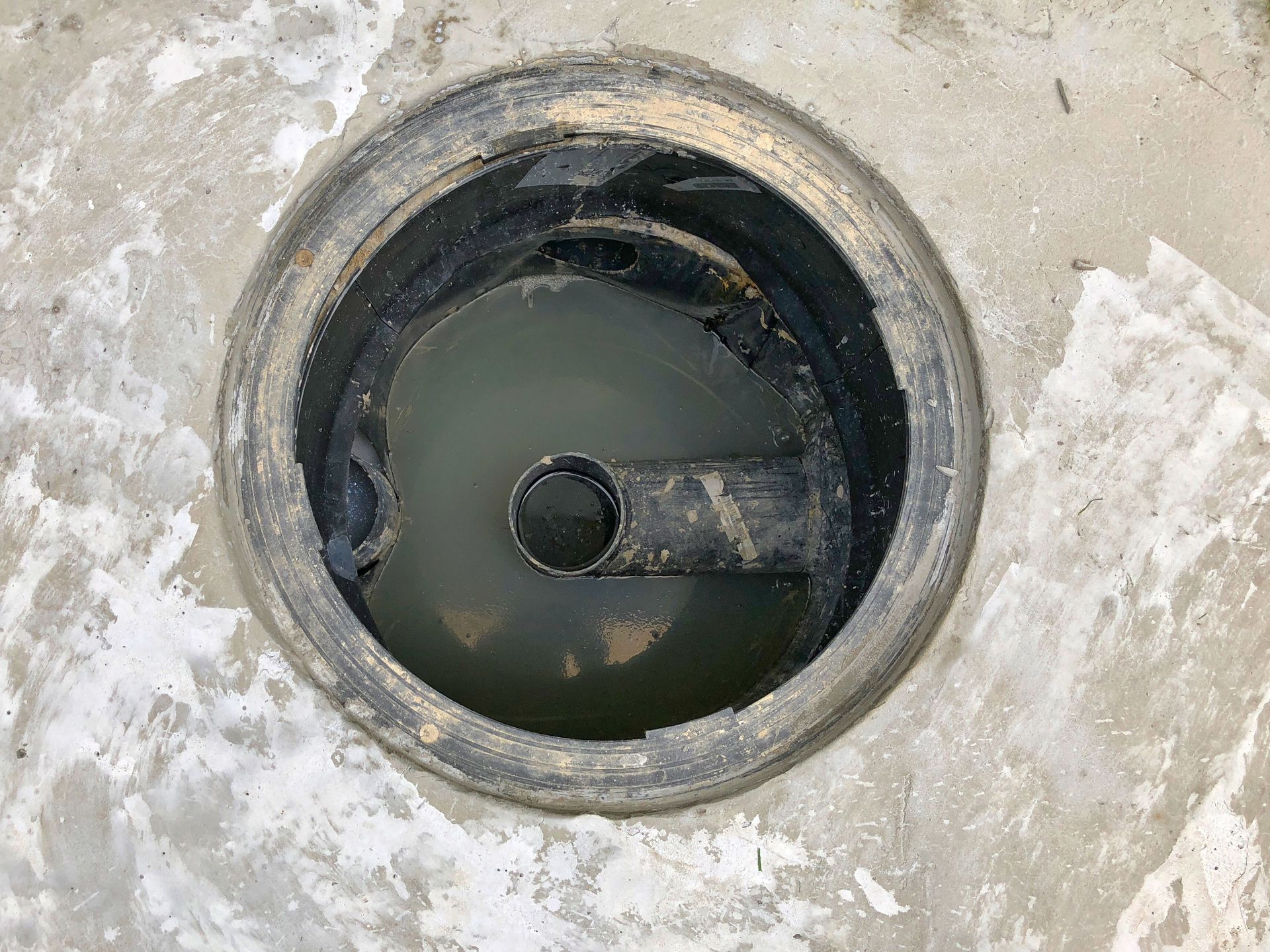
To remain compliant with local, state, and federal environmental statutes, commercial foodservice operators utilize established grease management contractors to oversee storage and disposal. Integrating scheduled cooking oil services provides kitchens with sealed storage containment units that prevent noxious odors, pest infestations, and hazardous floor spills. Commercial haulers handle the heavy hauling and transport manifest documentation required by local health inspectors, protecting restaurants from punitive fines and operational interruptions. Education across kitchen operations ensures staff consistently isolate waste oil from solid kitchen rubbish, preserving the chemical purity of the collected fats for subsequent manufacturing cycles.
Refining Impurities and Transporting Feedstock Through Modern Logistics
Once collected from restaurants, raw kitchen grease contains high proportions of food debris, suspended moisture, and free fatty acids that must be removed prior to chemical processing. Industrial collection facilities utilize multi-stage heating, mechanical screening, centrifugation, and settling tanks to separate clear lipids from wastewater and solid kitchen particulate. Continuous innovation in filtration technology contributes to improved efficiency and cost-effectiveness, with market value of used cooking oil (UCO) estimated at USD 8.56 billion within 2025, according to Factmr. These advancements reflect the ongoing efforts to enhance recycling processes, supporting the biodiesel industry's growth.
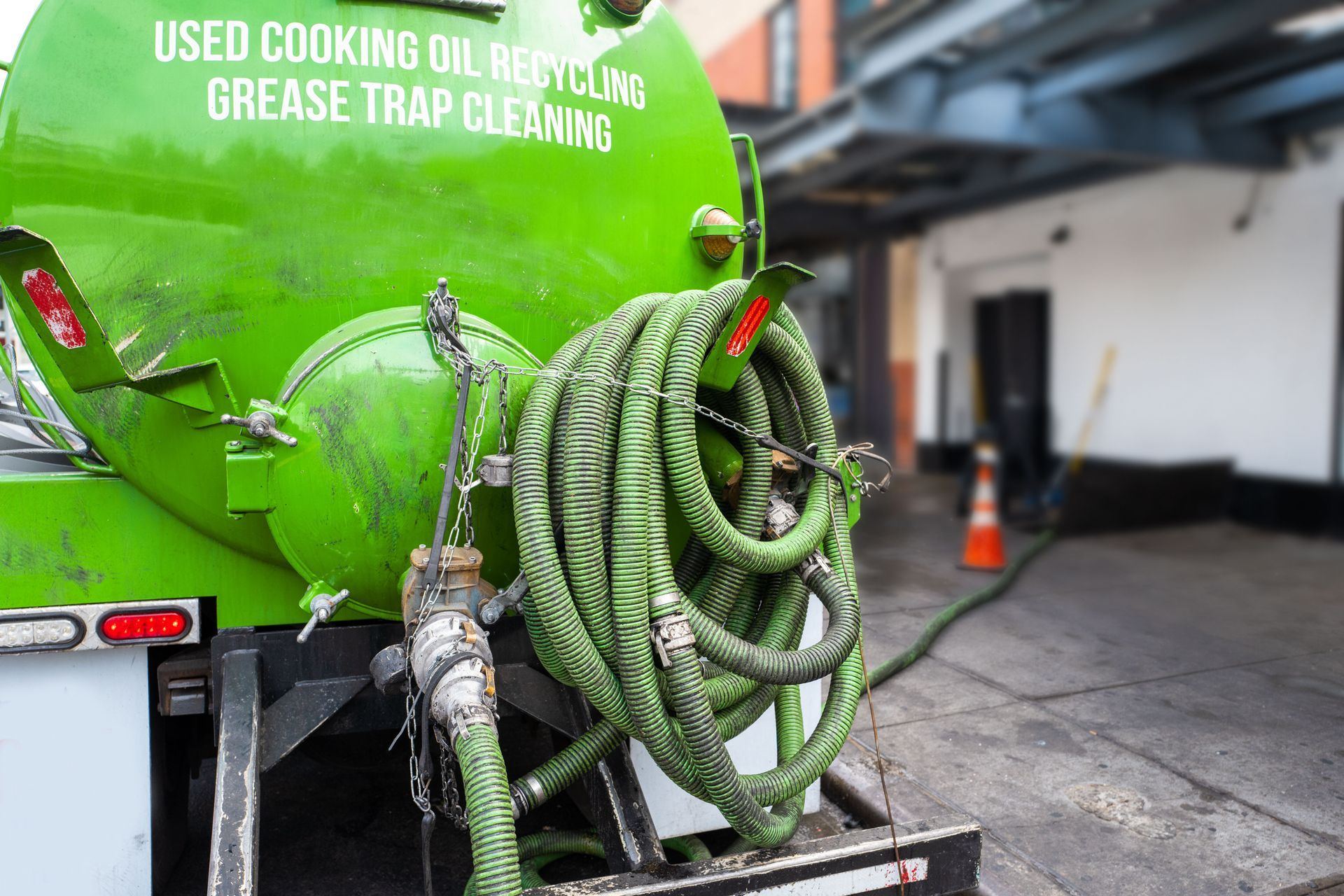
The transportation infrastructure connecting urban hospitality centers with industrial refining plants requires sophisticated routing and fleet management systems. Dedicated vacuum tankers and insulated bulk transport vehicles travel designated regional routes to collect recovered lipids efficiently while minimizing vehicular emissions. Advanced logistics platforms monitor container volume levels remotely, optimizing collection schedules to prevent container overflows at participating food venues. By utilizing structured cooking oil services, processing plants receive a predictable, uniform stream of clarified feedstock that meets precise chemical specifications required for industrial chemical conversion.
Processing Waste Lipids into Certified High Performance Biodiesel
Transforming clarified kitchen lipids into specification grade alternative fuel relies on industrial transesterification carried out in commercial refining facilities. In this automated chemical process, purified triglycerides react with an alcohol, typically methanol, in the presence of an alkaline or enzymatic catalyst. The reaction cleaves the fatty acid chains from their glycerol backbone, producing fatty acid methyl esters alongside crude glycerin as a co-product. Industrial processors purify the crude glycerin for use across pharmaceuticals, cosmetics, and industrial deicers, ensuring virtually zero waste generation across the entire manufacturing cycle.
Quality assurance protocols remain paramount throughout industrial production to ensure the finished fuel integrates safely into modern diesel machinery without causing injector clogging or filter binding. Finished fuels undergo rigorous chromatographic and physical analysis to confirm compliance with global standards, such as ASTM D6751 in the United States and EN 14214 across the European Union. Reliable cooking oil services supply the raw material that fuels these advanced production facilities, enabling industrial operators to deliver consistent, drop-in replacement fuel to municipal transit authorities, agricultural operators, and freight logistics corporations.
Examining Global Economic Impacts and Sustainable Future Opportunities
The economic framework supporting recycled oil conversion provides compounding benefits across commercial foodservice operations, waste logistics, and clean fuel distribution. Foodservice venues convert an operational waste liability into a regular revenue stream through grease rebate structures that stabilize operational kitchen overhead. At the same time, biorefineries acquire an abundant, cost-efficient feedstock that bypasses the intensive agricultural inputs associated with growing virgin oilseed crops. This supply dynamic insulates clean fuel producers from global commodity crop price spikes while simultaneously generating regional employment across logistics management, laboratory quality testing, and chemical plant operations.
Emerging energy frameworks, including hydrotreated vegetable oil and sustainable aviation fuel, are expanding the long term commercial value of purified restaurant grease. Refining complexes increasingly leverage artificial intelligence to optimize temperature regulation and chemical yields, expanding total conversion efficiencies while lowering process energy inputs. Regulatory frameworks around the globe continue to elevate carbon pricing and mandate higher renewable fuel blends for commercial haulers. Collaborative cooking oil services remain essential partners in this economic matrix, ensuring that the critical primary feedstock moves securely from city kitchens into world-class refining operations.
The global expansion of renewable diesel and sustainable aviation fuel demonstrates that used kitchen grease is no longer treated as discarded kitchen waste, but as an indispensable energy asset. Diverting this high energy liquid from sewage pipes into certified fuel reduces urban wastewater expenses, suppresses fleet tailpipe emissions, and provides hospitality establishments with a reliable sustainability platform. The long term viability of this entire renewable infrastructure rests upon reliable, professional
cooking oil services that can collect, clean, and transport bulk kitchen fats at scale.
Operators seeking to modernize grease handling, maintain regulatory compliance, and participate in renewable energy production can partner with Oregon Oils, Inc to streamline their daily kitchen grease collection. Establishing an integrated waste management agreement ensures kitchen safety while accelerating the delivery of vital feedstocks directly to clean fuel refiners. Consistent commercial stewardship turns an everyday kitchen necessity into a powerful driver of global environmental restoration.